- Identify the causes
- Address the causes
- Improve Resilience, i.e. improve gut, immune, brain and cellular health
- Optimise the diet by a targeted Individual approach
- Improve brain function
- Develop new skills and strategies
Targeted Individualised Nutrition Therapy for the Recovery of Autism & ASD (TINTRA) is a highly specialised form of Nutrition Therapy that aims to promote the recovery from Autism & ASD by addressing the root cause(s) with targeted, individual nutritional supplements and diet.
TINTRA can be used on its own or as the Nutritional part of Autism Recovery Therapy (ART). The Autism recovery process is a 6 step process:
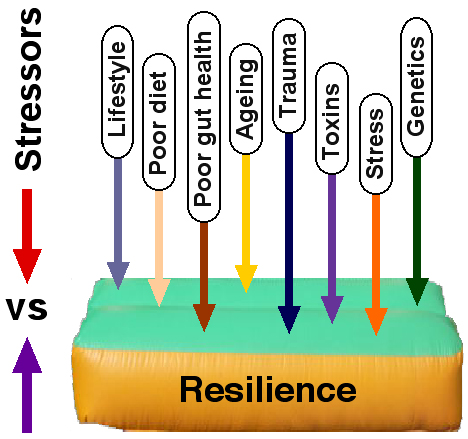
Every child on the Autism spectrum has a different:
Therefore, there is no one-shoe-fits-all-approach that will address all of the above for every child. There is not one diet that is optimal for all children and there is not one nutritional supplement or pharmaceutical drug that will help all children improve. We therefore need to identify for each individual child, what stressors have led to the collapse of their system and consequently address the removal of these stressors and build their resilience.
This involves improving gut-, brain- and immune function. It means that we need to work on a cellular level and work from the inside-out, i.e. address the most urgent problem first and continue addressing all issues identified in step 1 until the cells can function optimally.
At this point, neuro-development can resume (step 5) and new skills can be learned again (step 6). We therefore need to identify for each individual child, what stressors have led to the collapse of their system and consequently address the removal of these stressors and build their resilience.
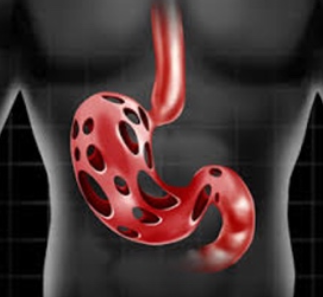
Research has shown that almost all children on the Autism Spectrum have poor gut health and poor gut function. This can lead to poor digestion, nutrient deficiencies, gut inflammation, leaky gut and brain inflammation. A leaky gut leads to a leaky Brain-Blood-Barrier (BBB) and this can allow particles that should have ended up in the toilet, to enter the brain.
Foreign invaders in the brain cause immune activation, which leads to neuro-inflammation and this results in the destruction of neurons (brain cells) and the pathways that connect them. Research has shown, that children on the autism spectrum have more inflammation compared to neuro-typical children.
Reference: Autism CRC Research Report
The cause(s) of this increased inflammation can be:
Many nutrients from the diet need to be converted into their active form before the cell can use them. Without this activation process, the body cannot use these nutrients. Research has shown that over 90% of all children on the Autism Spectrum have a genetic mutation called the MTHFR (Methyl-tetrahydrofolate receptor) mutation.
This mutation interferes with the body's ability to convert folate from green leafy vegetables into its active form: Methyl-tetrahydrofolate. The MTHFR mutation can have consequences for many reactions in the brain and body, especially those involved with the removal of toxins and the production of neuro-transmitters and anti-oxidants.
Whether the cause is related to a genetic mutation or to an increased toxic load, addressing the cause(s) often involves the use of highly targeted nutritional supplements that are designed to offer therapeutic support to the cells, i.e. they help by:
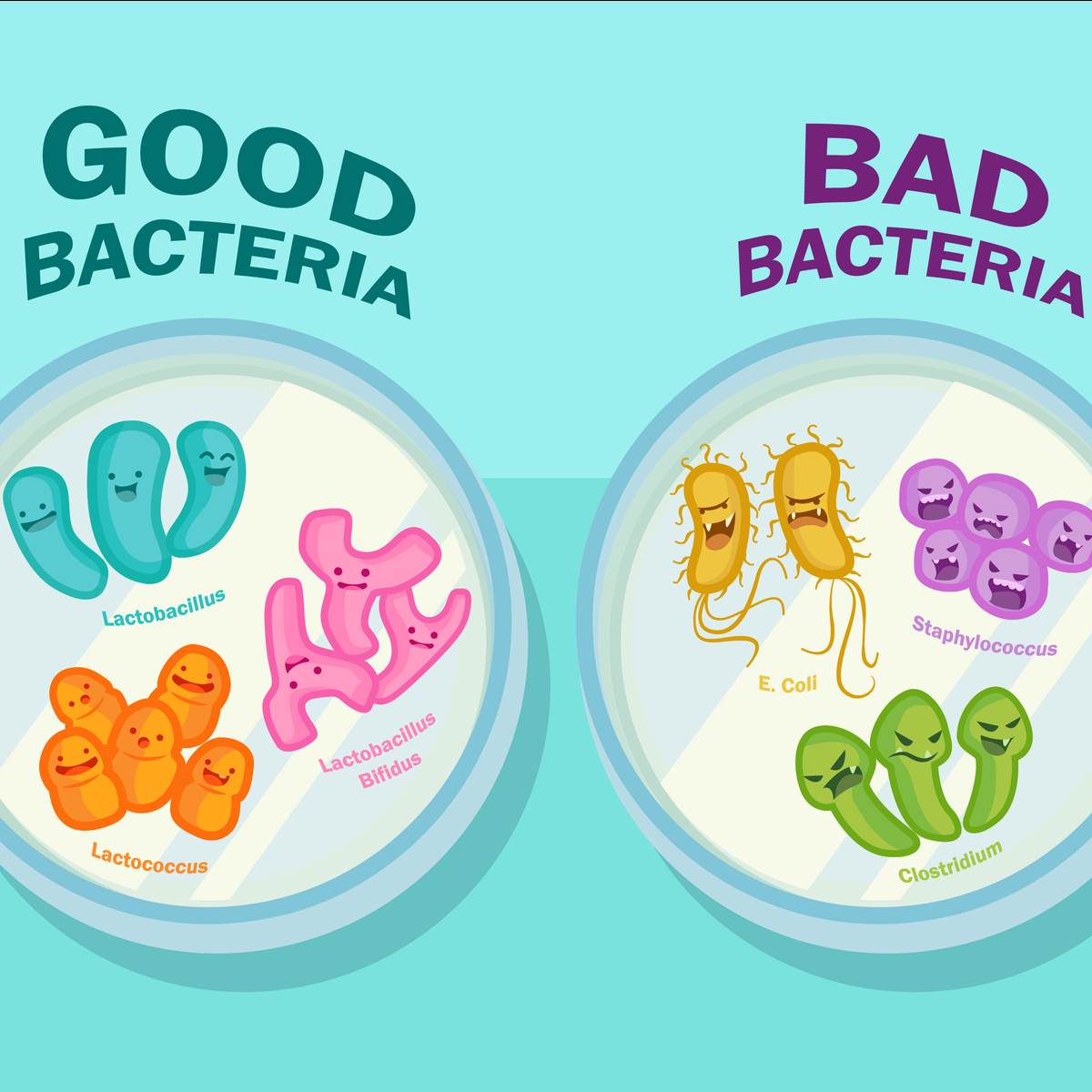
Many children on the Autism spectrum are "picky" eaters with a preference for a very small range of foods, usually foods that are high in sugar and carbohydrates and low in fibre, healthy fats and protein. These poor food choices are not the result of "bad" parenting, but instead, they are dictated by the poor gut flora whose survival depends on the foods the child eats and often craves.
For example, Candida Albicans and some bacterial species thrive on sugar, which they need to feed their growing colonies. This can cause sugar cravings. Some children will do anything to get to a sugar source, including swapping food with other children or even resorting to stealing these foods from other children, thereby feeding the "bad" bacteria and Candida at the expense of the good bacteria.
The short answer is no, there is no such thing as the best diet for Autism, because each child has a different set of genes, a different gut flora, different food sensitivities and a different toxic load.
Many diets have recently been developed for the recovery of Autism and ASD, such as the GAPS diet, Body Ecology diet, Gluten & Casein free diet (GF/CF), Specific Carbohydrate diet, FODMAPS diet, Feingold diet, Low oxalate diet, Low salicylate diet and Ketogenic diet. Each one of these diets has helped many children, but none of these diets have helped all children, which is why there is no such thing as the best diet for Autism and ASD.
Popular diets for Autism and ASD recovery include:
The "best" diet for anyone, is the diet that is best suited to their needs and genes. As Hippocrates said in 400BC: "Let food be thy medicine and medicine be thy food". In other words, choose the foods that can help the cells heal.
The "best" diet for your child can therefore change over time. As the gut flora becomes more diverse and the immune system more resilient, other foods may be (re)introduced.
The good news is, that recovery from Autism & ASD is possible!