
The first step is to determine what caused the (regression into) Autism or ASD, so we need to identify:
Identifying genetic factors
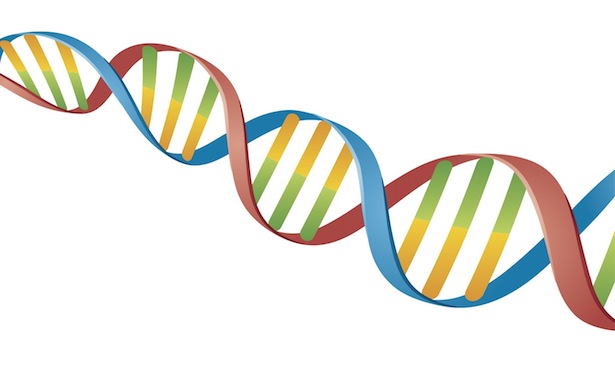
Children on the Autism spectrum are often found to be "poor detoxifiers". This has something to do with their genetic make-up, but unlike genetically determined conditions such as Down syndrome, these are genes are involved with metabolic pathways that take place within the cell, i.e. the conversion of one substance into another. Some genes are involved with detoxification pathways, whilst other genes are involved with inflammatory or antioxidant pathways. I refer to these genes as metabolic genes.
When there are mutations in any of these metabolic genes, the metabolic pathways can either become less efficient, or they are overdoing it. Knowing about these genetic mutations can help in determining how to optimise these dysfunctional pathways.
Research has shown that there are certain mutations that appear more frequently in the Autism population than in neuro-typical children and could therefore be considered risk factors for regression into Autism.
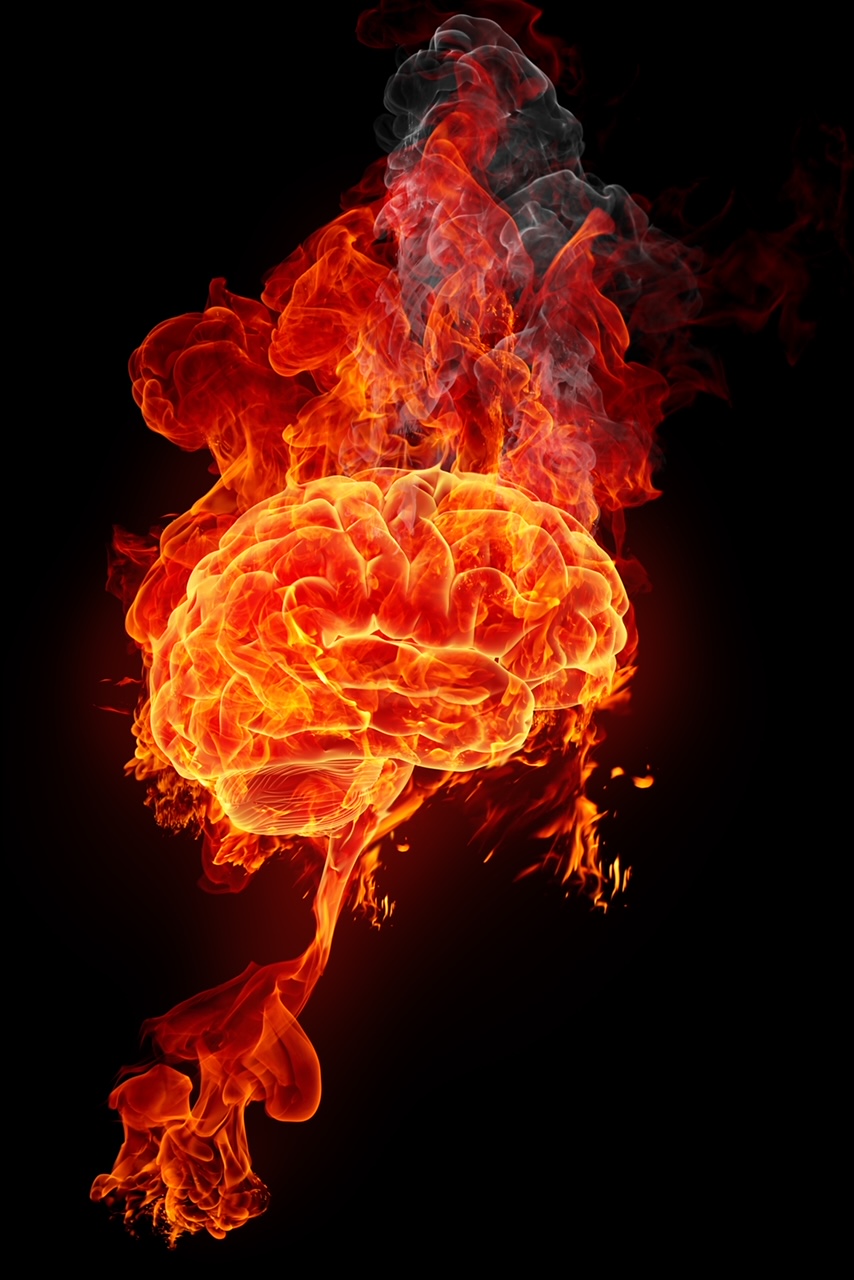
For example, most children on the Autism spectrum have a mutation that affects the detoxification pathways and therefore these children cannot eliminate toxins very well. The body's response to uncleared toxins is inflammation, so a combination of poor detoxification pathways and overactive inflammatory pathways can cause chronic inflammation in the brain (often referred to as a brain on fire). The presence of these mutations therefore increases the susceptibility for a regression into Autism if the child is exposed to a trigger.
Understanding gene function
A DNA test can show what mutations a gene has, but it doesn't show to what extent the function of the gene is affected, however a urine test can.
The Organic Acid Test (OAT test) is a DIY urine test that can show how the genes are functioning, by measuring the quantities of the end products of many metabolic pathways.
Do we need to identify the toxins before we can remove them?
Yes, it is extremely important to identify what the toxins are and where they are coming from. Functional Pathology testing can help in determining what toxins and toxicants (man-made toxins) are present as a result of an exposure.
The first rule in dealing with toxicity is always to find the source and turn off the tap to stop further toxins from coming in and accumulating in your child's body or brain tissue.
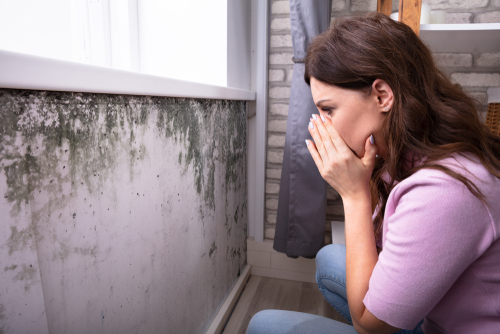
For example, if the test results show that your child has mould toxins (myco-toxins), you need to find out where in your house, environment or school they are coming from.

Nowadays everyone is exposed to Round-up (Glyphosate) or other herbicides or pesticides through the environment and the food we eat (for more info, download the free Nutrition e-Booklet).
The children who were the most severely affected with Autism in my practise, also had the highest amount of Glyphosate in their body and they all lived in rural areas where there was agricultural spraying. These children are the canaries in our coalmine, i.e. the world we now live in, as they are more vulnerable to these environmental toxicants (man-made toxins) because of their genetic make-up.
You can determine the presence and level of Glyphosate by doing a simple DIY urine test (see Functional Pathology page).
Knowing about your child's Glyphosate levels can help in determining what to do about it. You need to find out who is using them in your neighbourhood and start implementing an organic diet to prevent further exposure.