SureReading is a holistic integrated functional reading programme that aims to:

SureReading is a holistic integrated functional reading programme that aims to:
Over the last 5 decades many different reading methods have come and gone, but regardless of the method, there were always a number of children who could not learn how to read. Why was this?
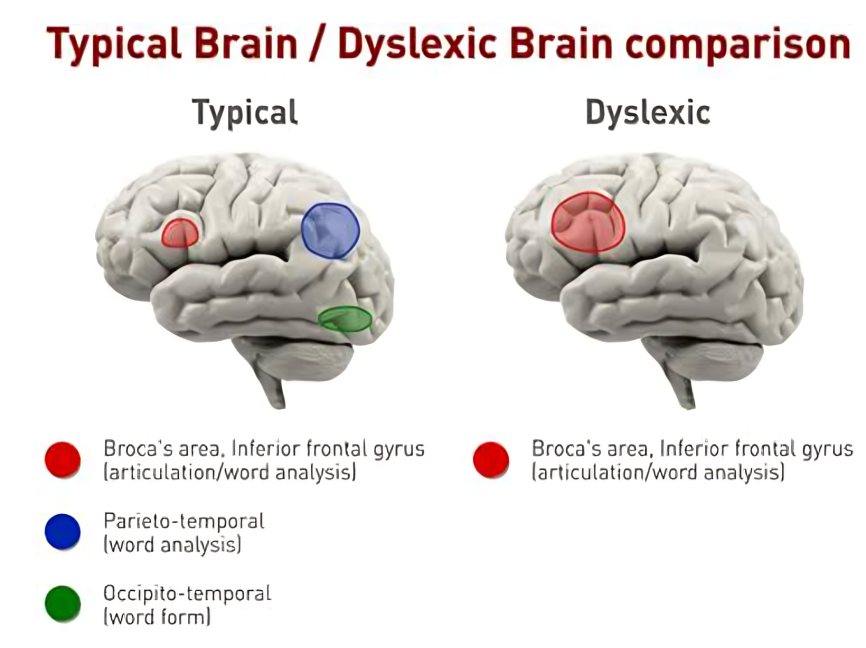
Research has shown that children with Dyslexia have less activity in the parts of the brain that are involved with phonological processing, i.e. the areas in the back of the left brain.
Children with AD(H)D tend to have 10% less neuronal connections to the frontal lobes compared to other children. This results in lack of ability to focus, plan and/or control their impulses, because that is what the frontal lobes of the brain help you do. It can also interfere with the development of reading, spelling, maths and writing skills.
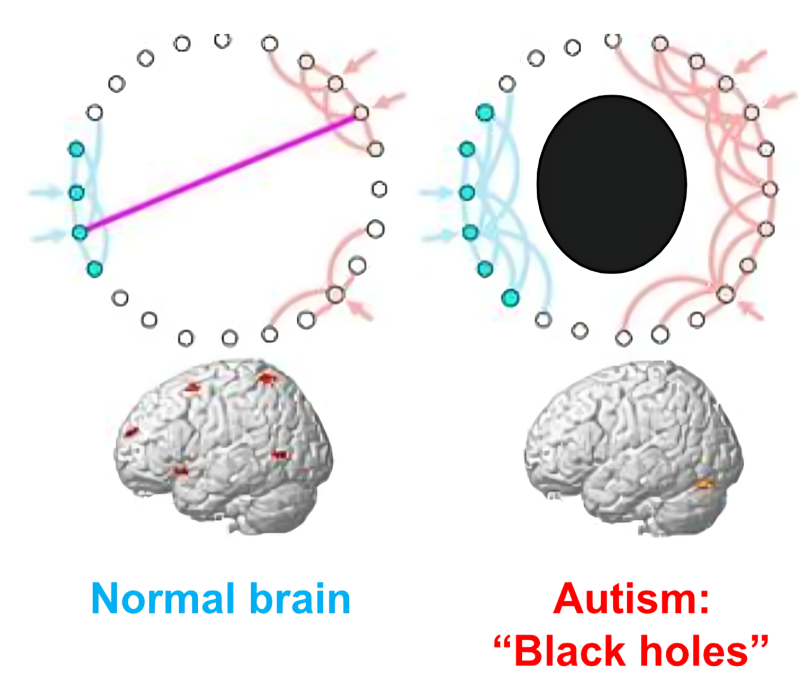
Brain scans have shown that compared to neuro-typical children, children on the Autism spectrum have more connections to areas in the brain that are close by and less to areas that are far away.
It looks as if there is a black hole in the middle of the brain that cannot be crossed and therefore prevents those far-away areas in the brain from connecting with each other.
These "black holes" can interfere with neuro-development, the development of prerequisite skills and the development of language and numeracy skills later-on. The cause of these "black holes" is often widespread neuro-inflammation, which makes communication with areas that are far away near impossible.
As the above pictures show, all of these disorders have an accessing problem, however the reason for these accessing problems and the severity is different for each group and each child. Therefore, we need to identify and address the root cause(s) of the accessing problem for each condition, before we can teach new skills.
When I started working with children with learning difficulties in the late 80s, most children who came to see me were dyslexic. The main problem seemed to be a lack of brain integration, often caused by the fact that reading was introduced before RR was achieved. These children could not access the phonological areas in the brain and therefore could not benefit from a reading method that focussed on teaching phonics. They initially did well with the sight-reading approach but failed later-on when the words where longer and the letters smaller because of their lack of phonological skills. Using the SureReading method, I started with Brain Gym® and Integrative therapy to increase brain integration and access to the phonological areas, followed by teaching any missing prerequisite skills and then the necessary skills for whole brain reading. This approach proved successful for Dyslexia, without the need for any preparatory work (see Testimonials page).
A decade later, children started to have trouble with paying attention and Attention Deficit (Hyperactivity) Disorder (AD(H)D) became more prevalent. It seemed that this was a condition that was more influenced by diet than Dyslexia, so the offending foods needed to be identified and removed first before the SureReading method could be applied.
Another decade later, Autism and Autism Spectrum Disorders (ASD) became the new and increasingly more common childhood disorder. ASD seemed to have a much greater toxicity component than Dyslexia and AD(H)D. This meant that these toxins had to be identified and removed first before the SureReading method could be applied, for which I used Autism Recovery Therapy (ART).
All of these disorders also have a genetic component, as they often run in families, however, genetics alone does not explain the sudden rise in AD(H)D and ASD over the last 5 decades.
During this time, the amount of environmental toxins, round-up (or glyphosate) and other herbicides, pesticides, food additives, antibiotics, vaccinations and the consumption of processed food has increased dramatically. This has had a devastating effect on the gut flora and consequently on the brain.

When toxins and toxicants (man-made toxins) enter the brain, they cause neuro-inflammation and this can destroy the connections between the different areas in the brain, as well as the neurons themselves. Neuro-inflammation can and will interfere with the process of neuro-development.
In Autism & ASD, speech and language are almost always affected. The 7 speech areas are not only far away from each other, they are also located on the outside of the brain in the neo-cortex (cortex means bark, which is on the outside of the tree), making them very vulnerable to toxic insults and thus neuro-inflammation.
When an area cannot be reached or when the area itself is destroyed, that area cannot be used to develop new skills. The greater the number of areas that are inflamed, the more severe brain function will be affected. You can read more about this in the free e-Booklet: How to Improve Learning.
We need to start by identifying and addressing the reason(s) for this lack of accessibility. This often requires the removal of toxins and the addition of nutrients that support brain growth, reduce brain- and gut inflammation and assist in healing the brain, the gut and the immune system.
Autism Recovery Therapy (ART) was designed for this purpose. ART consists of a 6-step programme that aims to identify and address the root cause(s) of the inaccessibility for each child.
Regardless of whether your child has speech- or neuro-developmental delay, Dyslexia, learning difficulties, AD(H)D, Autism or ASD, the steps are the same for all, but the difference is in how much brain inflammation there is, which determines where in the programme we need to start.
Therefore, I always start with a Neurodevelopmental & Educational assessment to identify whether any prerequisite skills are missing and if so, which ones. We then need to identify the root cause(s) and address them accordingly (step 1-4 of ART).
Once this has been achieved, we are ready for the SureReading method to increase access to all areas in the brain involved with learning to read, write and spell.
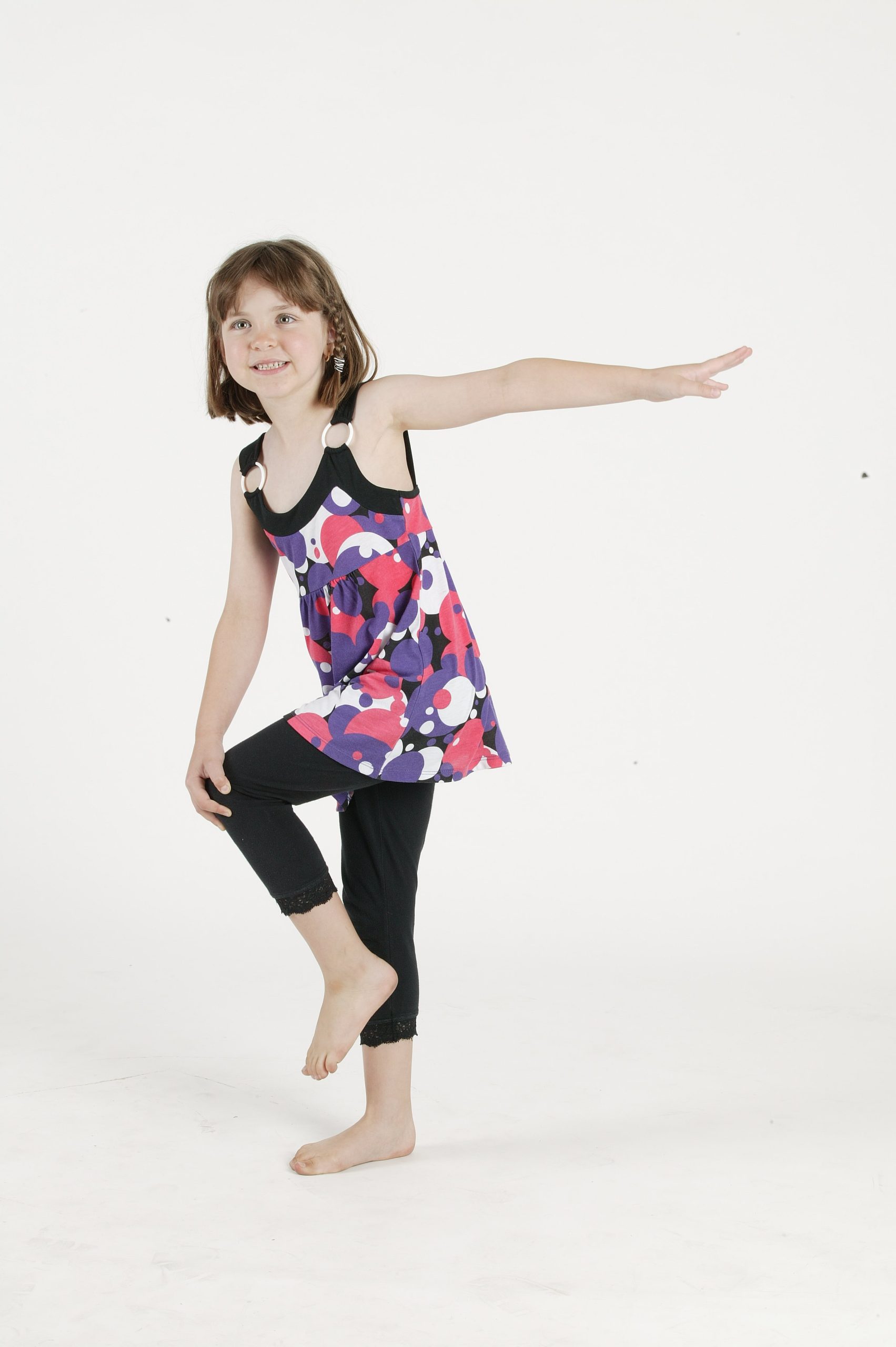
Brain Gym® activities can also be of great assistance in increasing access to areas of the brain that are involved in a specific task. The activities are easy and fun to do and can be done by children of all ages. You can purchase a digital copy of the Brain Gym® CD from the Products section of this website.
When the toxins and other stressors have been dealt with, new pathways have been made and access to all areas in the brain is possible, the brain is able to develop and learn new skills again.
This generally involves making new connections to and between:
You can read more about this in the Integrative therapy section.
We are now ready to teach any missing prerequisite skills to the areas of the brain that need to process them.
The SureReading programme:
The SureReading programme consists of:
The approach of increasing access to all areas of the brain first, followed by teaching all the (missing) prerequisite skills before formal learning is introduced, has proven to be a successful way of dealing with and preventing learning difficulties over the last 35 years in my experience.
The SureReading method has helped many children with Dyslexia, language problems, AD(H)D, Autism & ASD become successful readers and learners.
An Autistic boy came to see me when he was in the final year of high school. When I first assessed his reading, he had a reading age of 5 yrs for both Accuracy and Comprehension whilst his chronological age was 18 yrs old! This means that he had spent 12 years at school and had not been able to learn any of the reading skills, because his brain was not able to access the areas that needed to learn those skills and most prerequisite skills for reading were not present either. He felt very insecure, sat with his head down, refused to make eye contact and was extremely uncooperative over the first few sessions, which was not surprising, because he had already tried so many things during those long 12 school years, but all to no avail.
After the SureReading programme, his reading had improved to the point that he was able to pass both the theory and practical test for his driver's license, which has made a huge difference in his independence and self-confidence. He can also read and answer text messages on his phone now and has recently become involved with a girlfriend. He has become interested in a wide variety of topics, asks questions, makes eye contact, bought a car, is planning his future and his life is now full of possibilities!
If you would like more information about the SureReading programme, please download the free SureReading e-Booklet. Currently the SureReading programme is only available for Face-to-face and online consultations. However, I am in the process of making it available for purchase online as well. In the meantime, if you are interested in purchasing the programme, please contact me direct by phone, email or by filling in the form below.
You can also find more information about Dyslexia and other learning difficulties, on the optimumlearningandhealth.com website.