
Welcome to the Help With Autism Website

Autism Recovery Therapy (ART)

A comprehensive therapy that encompasses all steps involved in recovering from (regressive) Autism & Autism Spectrum Disorders (ASD)

Child with Autism

Autism Recovery Therapy (ART) is designed to identify the underlying cause(s) and address them on a biochemical (or biomedical) level by supporting the needs of brain cells and promoting healing of the brain, gut and immune cells, so that they can function optimally and will be able to learn and process new information again.

ART works on the cellular level and from the inside-out. Once the brain is recovered and only then, behavioural therapies that work from the outside-in can be of benefit.

ART's 6-step recovery process

1

Identify the causes

2

Address the causes

3

Improve resilience

4

Optimise the diet

5

Improve brain function

6

Develop new skills

Step 1: Identify the causes

Understanding the root causes through comprehensive testing

The first step is to determine what caused the (regression into) Autism or ASD, so we need to identify:

Any genetic factors that may have contributed
Which toxins are present and in what quantity
The state of the gut flora
Any nutrient deficiencies
DNA testing can assist with the first one, Functional Pathology testing with the last three.

Identifying genetic factors

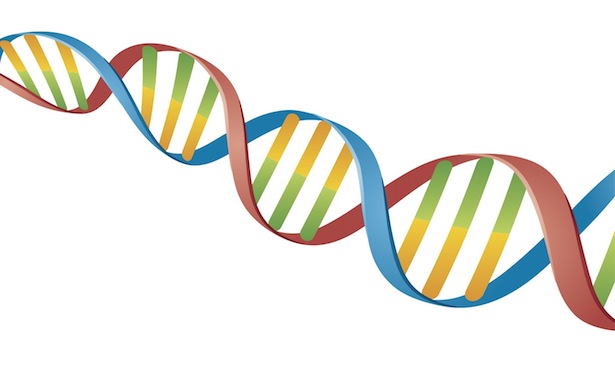
DNA and Genetics

Children on the Autism spectrum are often found to be "poor detoxifiers". This has something to do with their genetic make-up, but unlike genetically determined conditions such as Down syndrome, these are genes are involved with metabolic pathways that take place within the cell, i.e. the conversion of one substance into another. Some genes are involved with detoxification pathways, whilst other genes are involved with inflammatory or antioxidant pathways. I refer to these genes as metabolic genes.

When there are mutations in any of these metabolic genes, the metabolic pathways can either become less efficient, or they are overdoing it. Knowing about these genetic mutations can help in determining how to optimise these dysfunctional pathways.
Brain Inflammation

Research has shown that there are certain mutations that appear more frequently in the Autism population than in neuro-typical children and could therefore be considered risk factors for regression into Autism.

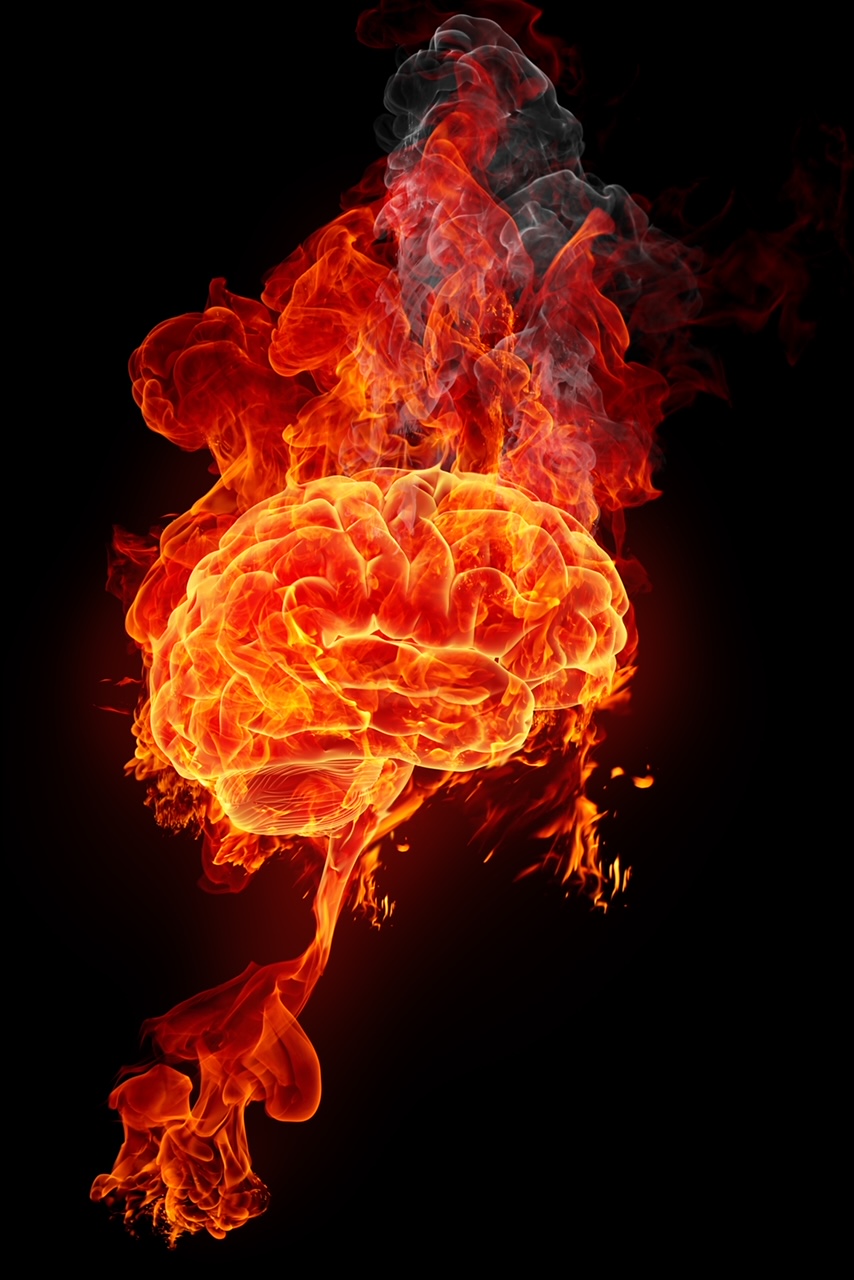
For example, most children on the Autism spectrum have a mutation that affects the detoxification pathways and therefore these children cannot eliminate toxins very well. The body's response to uncleared toxins is inflammation, so a combination of poor detoxification pathways and overactive inflammatory pathways can cause chronic inflammation in the brain (often referred to as a brain on fire). The presence of these mutations therefore increases the susceptibility for a regression into Autism if the child is exposed to a trigger.

Understanding gene function

A DNA test can show what mutations a gene has, but it doesn't show to what extent the function of the gene is affected, however a urine test can.

The Organic Acid Test (OAT test) is a DIY urine test that can show how the genes are functioning, by measuring the quantities of the end products of many metabolic pathways.

You can find out more information about the OAT test and other tests on the Functional Pathology page.

Do we need to identify the toxins before we can remove them?

Mould Toxins

Yes, it is extremely important to identify what the toxins are and where they are coming from. Functional Pathology testing can help in determining what toxins and toxicants (man-made toxins) are present as a result of an exposure.

The first rule in dealing with toxicity is always to find the source and turn off the tap to stop further toxins from coming in and accumulating in your child's body or brain tissue.

For example, if the test results show that your child has mould toxins (myco-toxins), you need to find out where in your house, environment or school they are coming from.

Environmental Toxins

Nowadays everyone is exposed to Round-up (Glyphosate) or other herbicides or pesticides through the environment and the food we eat (for more info, download the free Nutrition e-Booklet).

The children who were the most severely affected with Autism in my practise, also had the highest amount of Glyphosate in their body and they all lived in rural areas where there was agricultural spraying. These children are the canaries in our coalmine, i.e. the world we now live in, as they are more vulnerable to these environmental toxicants (man-made toxins) because of their genetic make-up.

You can determine the presence and level of Glyphosate by doing a simple DIY urine test (see Functional Pathology page).

Knowing about your child's Glyphosate levels can help in determining what to do about it. You need to find out who is using them in your neighbourhood and start implementing an organic diet to prevent further exposure.


Step 2: Address the causes

Targeted nutrition therapy for healing and recovery

Nutritional Supplements

Once we have done the DNA and Functional Pathology tests, we have a clearer picture of what the issues are, so we can determine what to do about it. This means we need to find out what nutrients are needed to assist the body in its detoxification and healing process.

There is no one-shoe-fits-all approach when it comes to this step, so I have developed Targeted Individualised Nutrition Therapy for the Recovery of Autism & ASD (TINTRA) as the Nutrition Therapy approach for the recovery of (regressive) Autism & ASD.

Step 3: Improve resilience

Enhancing cellular, gut, immune and brain health

When the gut is functioning poorly, foods from the diet are often not digested fully into their smallest components, i.e. the nutrients that the cell needs to function optimally. Poor digestion leads to poor absorption of nutrients into the blood and over time, this can cause nutrient deficiencies in every cell of the body.

Symptoms of poor gut function

Poor food choices
Picky eaters
Pain in the belly
Issues with textures of foods
Foul smelling stools
Poorly formed stools
Constipation
Food cravings
Obsessive food behaviour
Refusal to eat fiber-rich foods
Improving gut function is an important part of TINTRA.

Step 4: Optimise the diet

Individualized nutrition for optimal health

Healthy Diet

Is there a best diet for Autism & ASD? The answer is: No, there is no best diet for Autism & ASD. There are of course many foods that are not good for anyone, but some foods are good for some and not for others, as it depends on someone's genetics, culture and many other factors.

Since there are no two children with identical genes, identical toxic load and identical gut flora, there is no such thing as the best diet for a child on the Autism Spectrum. The best diet for a child on the Autism Spectrum, is a targeted and individualised diet that is best for their genes, state of health, gut flora and their nutritional needs, hence the TINTRA approach.

Step 5: Improve brain function

Creating neural pathways for whole brain communication

Once the above steps have been attended to, i.e.:

Toxins have been removed from the brain
The brain and gut are no longer inflamed
All cells have the nutrients they need to heal and function optimally
The gut has healed and has an established healthy and diverse flora
The diet is optimised

We need to make sure that all areas in the brain are accessible. Fire destroys brain cells as well as the pathways between them.

Brain Healing

Therefore, after repairing and healing the cells in the steps above, we now need to make new pathways between the cells and across the Corpus Callosum (the area between the two hemispheres of the brain) to connect both hemispheres and make whole brain communication possible. We also need to improve sensory integration, so that the translation from one sense into another is possible, e.g. words into pictures and vice versa.

Therapeutic Approaches

Therapies such as Neuro-Developmental Therapy, Integrative Therapy and Brain Gym® are designed to:

Make new pathways between various parts of the brain
Integrate the Primitive reflexes
Improve brain- and sensory integration
Improve brain function (for more info, download the free e-Booklet: How to Improve Learning)

Step 6: Develop new skills and strategies

Introducing learning when the brain is ready

SureReading Programme

Whole brain learning is easier, more effective and faster than learning with only a part of the brain. Tasks such as reading and writing are whole brain tasks and are best introduced when the brain is ready for it, i.e. when it has achieved a state of reading readiness.

If introduced too early, the child will learn and rely on survival strategies that only use a part of the brain and are therefore not effective. If these strategies remain unchanged, they usually lead to poor academic success later in life (for more info, download the free SureReading e-Booklet or go to the SureReading programme page).

Mental Maths is a numeracy skill that is often only tested, not taught. The developmental readiness for learning Mental Maths skills depends on the level of brain- and sensory integration, integration of the Primitive reflexes and the presence of many prerequisite skills (see LiveMaths programme).

At this stage of the recovery process, it is very important that any new skill is only introduced if the child is developmentally ready for it, so that learning can be a fun and rewarding experience.

The presence of prerequisite skills for reading, writing and (mental) maths cannot be assumed, they need to be assessed. Prerequisite skills that are missing, need to be taught first, before higher level skills can be introduced. This ensures a successful learning experience at school later on (see Neuro-developmental & Educational Assessments).

Therapies such as speech therapy and occupational therapy work from the outside-in. They have a much higher chance of being successful if introduced at this later stage rather than at the start.

Conclusion

Autism Recovery is a multi-facetted process. It can involve many modalities and the path is different for each child, but I believe that each child on the Autism Spectrum deserves to have the opportunity to receive this therapy. When successful, the rewards are priceless for the child, their family and the society at large.

With ever increasing numbers of children on the spectrum in our society, it is vital that all resources are initially directed towards recovery, so that we can find out what can be achieved.

Parents need to be encouraged to start the Early Intervention process with ART, as the chances of a full recovery are the highest if this is the first, rather than the last therapeutic approach. The nutritional supplements required to achieve optimal results are the therapeutic support that children on the Autism spectrum need to support their genetic mutations and the consequences thereof, i.e. accumulation of toxins in the brain and increased brain inflammation.

What's included in ART

Comprehensive integrative therapy with various tests, therapies and programmes

DNA tests
Functional Pathology tests
Assessment of the Primitive Reflexes
Neuro-developmental & Educational Assessments
Targeted Individualised Nutrition Therapy (TINTRA)
RAPID gut repair programme
Neuro-Developmental Therapy
Integrative Therapy
Brain Gym®
SureReading programme
LiveMaths programme

The good news is that recovery from (regressive) Autism & ASD is possible!

Free half hour introductory consultation

If you would like to talk to me about what I can do for your child, please contact me for a free phone/online consultation.

Phone +61 423 763 273
Email akoelman@ozemail.com.au

or by filling in the Enquiries/Booking form provided on this website.

You can also make a booking for a free introductory or paid consultation from the Consultations page.